Research Notes
Strategy
- The global bond selloff remains the dominant risk. The 10yr touched 4.85%, its highest since 2023, with similar moves across global bond markets pointing towards deficits, supply and $100 Brent rather than any single policy regime.
- Equities are starting to feel the pressure: just 1 in 5 Russell 3000 issues advanced, while EW S&P and Nasdaq have move into oversold territory.
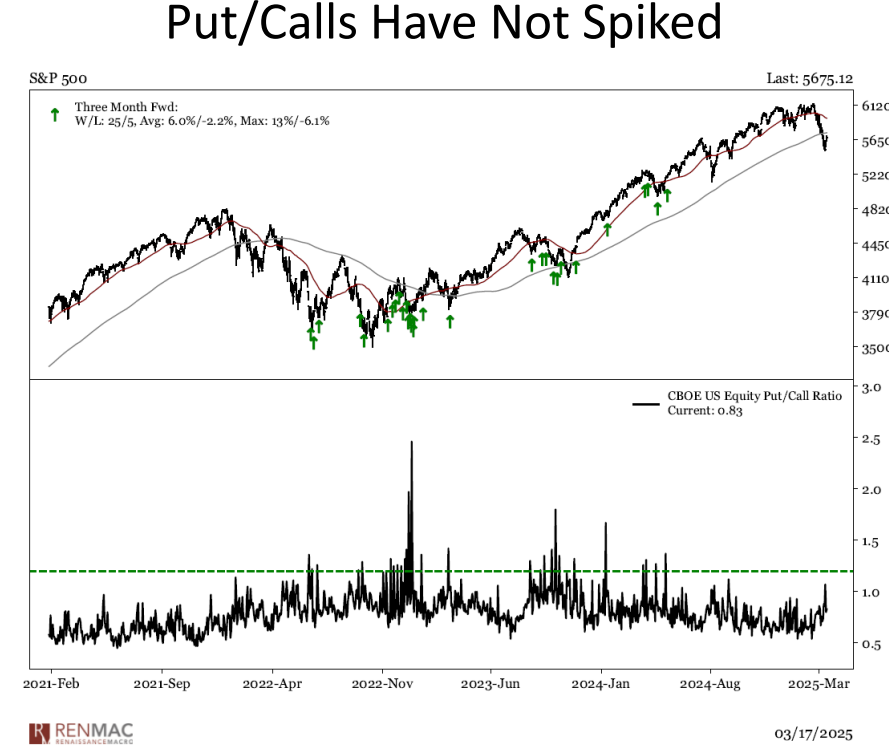
- This is oversold, not washed out. Just over a third of issues are making 20-day lows, still short of the 50% threshold associated with more meaningful flushes, while sentiment remains elevated.
- Inflation is forcing the Fed's hand. Diesel prices surged 24.1% in August, helping push PPI to 5.4% YoY and September hike odds to 70%.
- The 10-yr Yield Impact Model remains in its top decile, a condition that has historically favored Utilities and Health Care over the next 3 months.
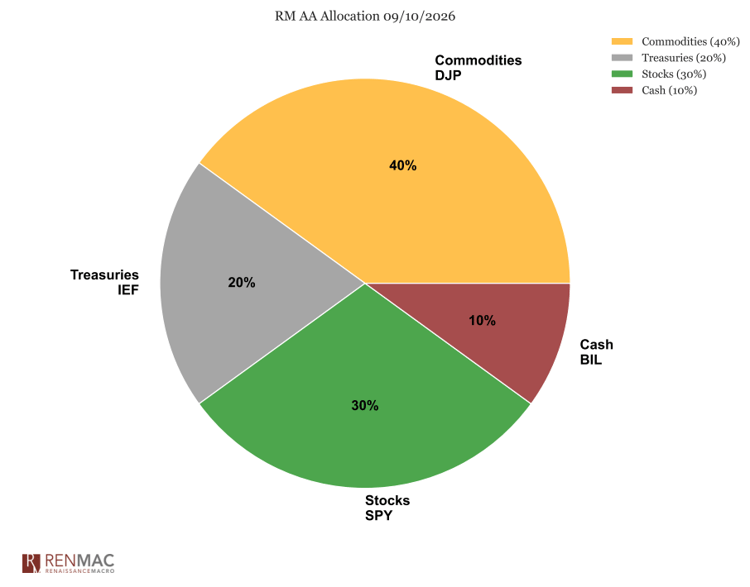
- Utilities remain in our weakest rank bucket, suggesting the rise in yields is still coming from the strong side rather than a growth scare.
- Health Care is where the book and the tape agree. A positive correlation between Utilities and higher yields would signal the defensive playbook is beginning to take hold.
- The R2K is retesting its July lows as the oversold bounce fades. The trend remains bullish, but support below is limited until the 200-DMA, roughly 5% lower.
- The Oscillator is approaching oversold again, but internals are not washed out. We remain patient amid seasonality, rising yields and extreme bullish sentiment, preferring a deeper flush before playing for a bounce.
- R2K/R1K is testing its 200-DMA, with the 50DMA hooking lower. A break of relative support would argue for reducing small-cap exposure versus large caps.
- High vs. low Tech momentum remains in the 1st percentile despite Semis bouncing and Software fading. The acute phase of the momentum unwind is probably done, the separation and the grind remain. There will be winners but also losers and that will distinguish between now and May.
- We favor large-cap Energy, with Storage & Transportation the exception. The EW small-cap group is breaking to new absolute highs and multi-year highs versus large caps, suggesting further outperformance.
- The tape is showing significant damage beneath the surface. Just 17.3% of S&P constituents remain above their 20-day moving average, despite the index sitting less than 3% from its August high.
- Weakness is concentrated in rate-sensitive groups, while oversold health care is emerging as a potential bounce opportunity.
Economics
- We expect Fed hikes in September and October, with December still in play. Markets are underpricing year-end tightening in our view, and we continue to expect a flatter Treasury curve.
- Waller's shift toward a September hold depended on continues inflation progress. August's upside surprise weakens that case, while his explanation for why disinflation should persist remains unconvincing.
- Core CPI rose 0.3%, with non-housing services up 0.5%, the most since January, despite soft rents. The categories now being dismissed as "special factors" helped lower inflation in June and July; we cannot count the improvement and dismiss the reversal.
- Our August core PCE tracker is 0.24%, or 2.9% annualized, with services excluding housing at 0.34%. BEA's methodology change adds slightly to measured inflation, while firmer market rents threaten to erode housing's disinflationary support.
- Energy risks are building, with rising gasoline and diesel prices threatening to reverse the summer's inflation relief and spill into food prices and airfares.
- The labor market is no obstacle to hiking. Jobs growth and hours are firming, wages lag, and reassuring unit labor costs have not brought actual inflation to target. Strong demand and rising equities also challenge the claim that policy is restrictive.
- Tariffs and AI-related component shortages add further upside inflation risks, making it harder to assume the next few months will resemble June and July.
- With the ECB's tightening and a BoJ hike expected, a dovish Fed risks weakening the dollar and importing more inflation.
- September does not look particularly close. Warsh will need to frame hikes as a recalibration, keeping the bond market from pricing a substantially larger tightening cycle.
- Consumer headwinds are building, with real consumption growth expected to slow toward 2.0% in H2 from 3.5% in Q2.
- Aggregate weekly payroll growth has slowed to 3.0% annualized over the last 3 months, down from just over 4.0% over the past year.
- Gasoline prices are up roughly 95 cents per gallon YoY, reversing the summer's inflation relief and squeezing spending elsewhere.
- Our household borrowing-cost measure rose to 7.67% in Q2, up 15bps, with higher Treasury yields likely to push costs further upward in Q3.
- Hourly earnings are up just 3.1% YoY despite low unemployment and firmer hiring, but soft wage growth may be understating labor-market tightness.
- Wages tend to lag, and improving regional PMI measures suggest wage growth could pick up rather than continue slowing.
- Rising healthcare costs may be shifting compensation toward benefits instead of wages, making hourly earnings an incomplete measure of compensation pressures.
- Falling participation among workers aged 55 and older may also be depressing average earnings as higher-paid workers leave the workforce.
- The NFIB optimism index fell to 98.7 in August, but the details matter more than the headline: softer sales, cautious hiring, and little inflation progress.
- The net share reporting higher sales fell to -9%, the weakest since November 2025, while 10% cited poor sales as their biggest problem.
- Net hiring plans fell 3 points to 17%, while the net share reporting recent employment gains dropped to -7%, underscoring small-business caution despite stronger August payrolls.
- 28% of firms plan to raise prices, little changed over the past year, while inflation concerns increased even before the latest upturn in crude prices.
 Sector Ranks
 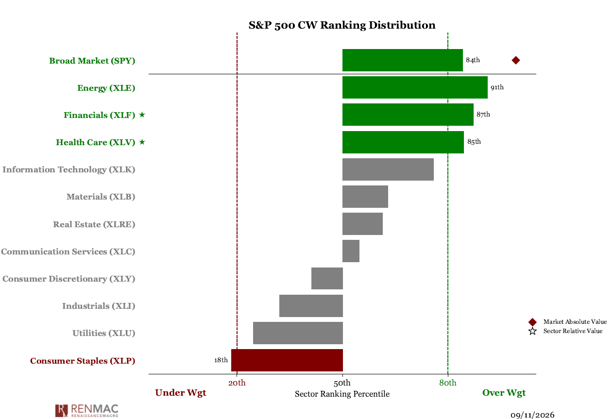 Chart of the weekHigher gasoline prices are squeezing household budgets, with the national average at $4.28 per gallon as of Thursday morning, up $1.08 from a year ago, during a period when prices typically fall. Sustained over a year, that increase represents a $118 billion hit to purchasing power, equivalent to 0.5% of disposable income and an estimated 0.3% drag on GDP growth. The spending response can become more severe as prices rise. The bigger risk is that consumers view the shock as permanent, weakening longer-run income expectations and prompting a sharper pullback in spending elsewhere.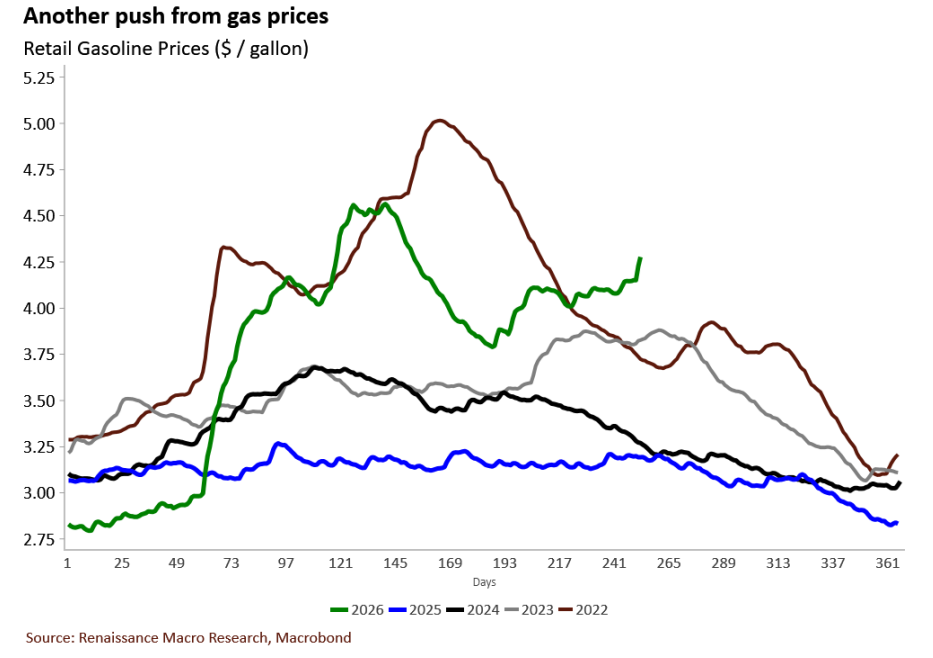
RenMac Off-Script Podcast

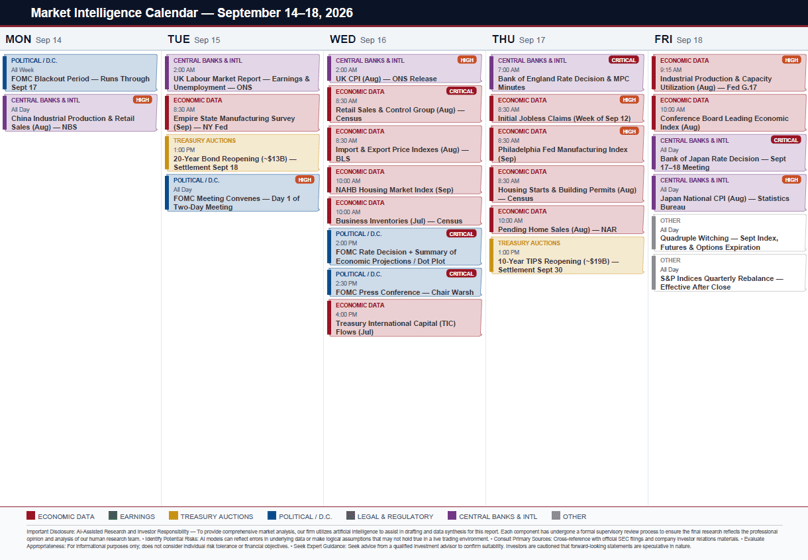
RenMac Calendar
Research Notes
Economics
- US labor market continues its downtrend. Weekly job postings continue to trend down, layoffs picking up, quits are cooling.
- March data showed broad economic weakness, with declines in services, confidence, housing, and commercial real estate.
- Rising inflation, weakening job outlooks, and cautious business spending point to growing economic strain.
- Home prices are cooling, which may curb spending as household wealth dips and the savings rate edges higher.
- The rebound in capital goods shipments looks fragile, with growth mostly tied to tech and broader investment plans weakening.
- New tariffs could cut 0.5% from GDP, strain trade ties, and raise car prices before production shifts take effect.
- Auto repossessions are at their highest since 2009, and tariffs may push buyers to the used market, keeping prices elevated.
- Despite trade tensions, signs of de-escalation and strong profits offer some cushion, with markets already pricing in much of the downside.
- Q4 growth was lifted by consumer and government spending, but with investment falling and key supports fading, a broader slowdown seems likely.
Strategy
- Market technicals show potential for a rebound. We think Mag7 approaches 50dma and potentially crosses through, getting to overbought, high beta stocks slowly recovering, and excessive outflows in IWM and SPY could fuel a tactical bounce.
- Remember, this was a beta-driven correction, not a momentum-driven one.
- Remember, this was a beta-driven correction, not a momentum-driven one.
- Bullish signals may re-emerge if a high percentage of stocks move about their 20dma and hit 20-day highs, suggesting a reassertion of the bull trend.
- Despite heightened policy uncertainty and a dark cross in tech, strong credit markets and sentiment tied to returns suggest the current pessimism may be overdone.
- Semi's continue to weaken, with even "good" ones coming under pressure.
- Staples pulled back at resistance levels, maintaining relative downtrend. Sharp unwind in beta and extreme underperformance suggests continued downward pressure.
- Transports reiterate bearish trend but flagging oversold and in "seller's frenzy". Expect short-term tactical bounce but fade the move.
Policy
- Debt limit deadline ("X-Date") likely between July and October, with resolution hinging on reconciliation or bipartisan deal amid uncertain cash flows.
- Delays risk market volatility and a Moody's downgrade, raising U.S. borrowing costs.
- Delays risk market volatility and a Moody's downgrade, raising U.S. borrowing costs.
- Trump will announce reciprocal tariffs on April 2, targeting about 15 key partners; recent moves on oil, autos, and threats to the EU and Canada may be strategic leverage.
- Section 232 is being used more broadly to justify tariffs on national security grounds, covering autos, copper, timber, and pharma, with an emphasis on U.S. production.
- Tariff timing and scope remain unclear, with Trump using them as a flexible tool, adding to market uncertainty.
Asset Allocation Model
 Sector Ranks
  Chart of the week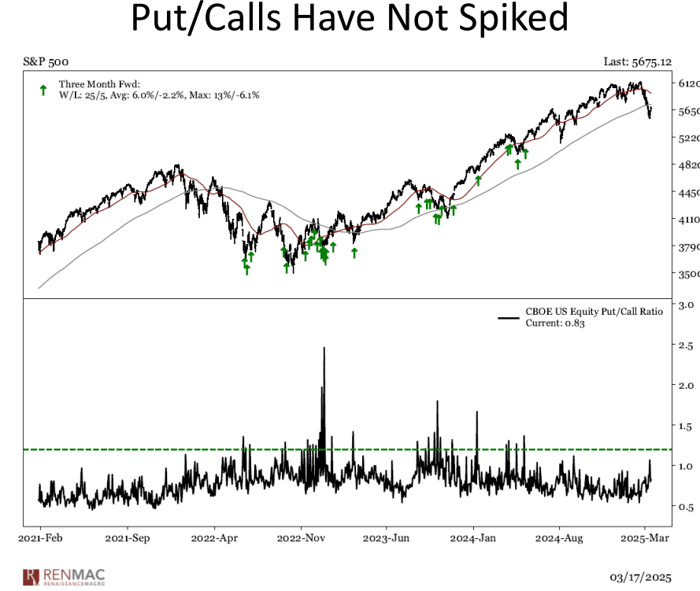
Sector Ranks Chart of the week