Research Notes
Strategy
- Momentum was the only trade in town this spring; over the last 65 sessions it has slipped to the 17th percentile of its own history, while beta and volatility have run to the mid-80s.
- In our June factor work we argued those extremes were likelier to resolve through momentum contracting than through beta catching up, that’s happening.
- Momentum is now the worst performing factor over the past 65-days in the R2K. As of Tuesday's close, R2K Tech momentum has plunged from the 100th percentile to just the 4th percentile. 65-day rolling returns for R2K Tech momentum have now fallen into negative territory.
- This chart shows the momentum reading.
- The dashed line and gray band show the average path and normal range of past episodes and the gold band how deep they typically fall at their worst.
- The trade has fully reversed, momentum swinging from +41% to −18% and the basket down about 24%. Both still sit above where similar episodes usually bottom (around −35% on momentum, roughly −44% on the basket), which typically takes about six months.
- So the base case is further but more gradual downside into the fall before it stabilizes rather than rebounds quickly, though the range of outcomes is wide.
- This chart shows the momentum reading.
- Semiconductors have been on a bubble signal since April 24, and while the first 3-6 months after these signals are historically a coin flip, the odds increasingly shift toward larger downside as time passes.
- ETF flow data (especially since 2020 when it became more reliable) suggests positioning is crowded, meaning investors are no longer contrarian by owning semis. Recent weakness in SK Hynix and Samsung despite positive news reinforces that buyers may be exhausted.
- The recent selloff has left semis oversold, making a near-term bounce likely. However, the 20-day and especially the 50-day moving averages are expected to act as resistance, making any rally an opportunity to reduce or short exposure rather than chase higher prices.
- Pharma/biotech/life science names have pulled-back/consolidated from their overbought conditions a week ago with several in buyable zone.
- Managed care continues to build upon strength, while a few equipment names stall and remain vulnerable.
- We like the group, but there are some landmines still live in the field. Make sure trends are established and momentum is improving in long candidates.
Economics
- June CPI came in softer than expected, easing concerns than inflation is reaccelerating and reducing the urgency for a near-term Fed rate hike, though additional hikes this year remain possible.
- Lower energy prices and moderating core goods inflation suggest tariff-related price pressures may be easing, while slowing food-away-from-home inflation points to improving underlying services inflation.
- Non-housing core services, a key focus for Fed officials, unexpectedly declined in June, although weakness in categories like lodging, communications, and insurance may prove temporary.
- Despite the encouraging report, the Fed is likely to wait for several more months of favorable inflation data before changing course, especially as broader inflation measures such as core PCE and median CPI are expected to remain somewhat firmer.
- Producer prices unexpectedly declined in June, driven by a sharp drop in energy costs, while underlying price pressures continued to ease across many goods categories.
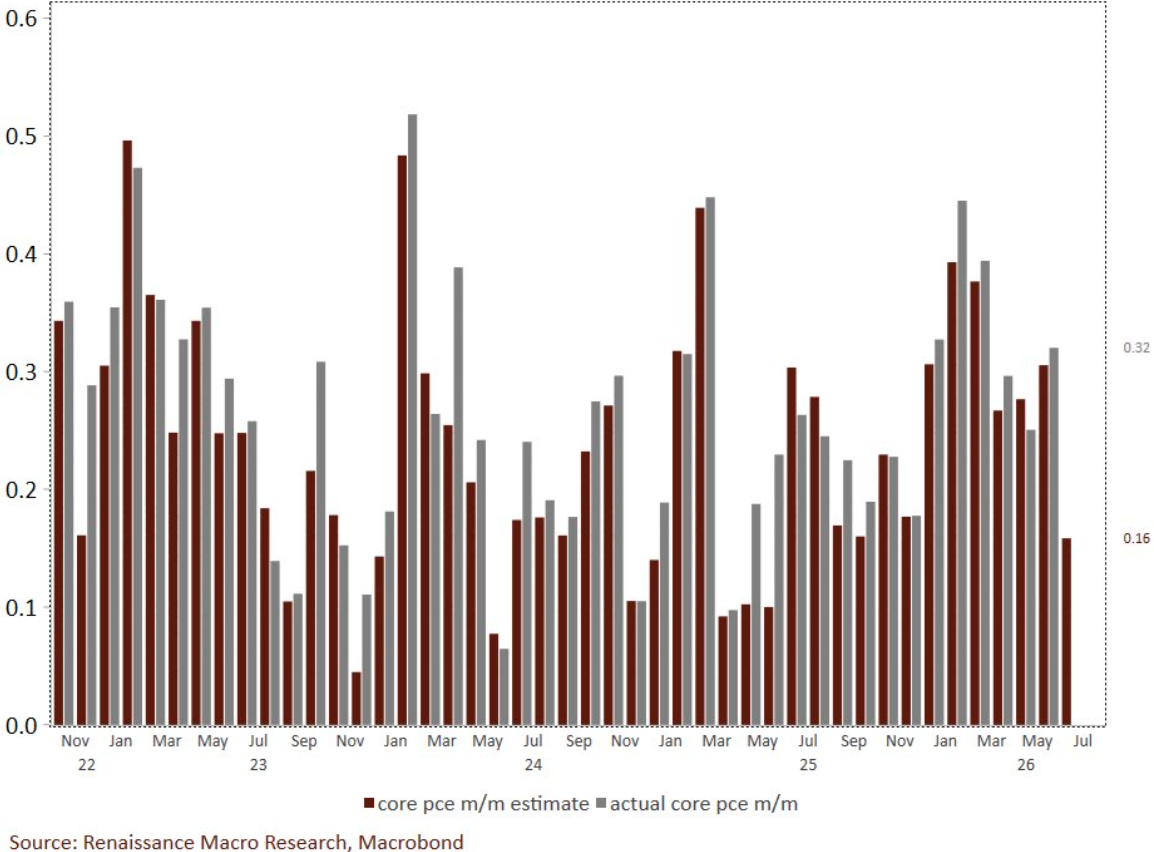
- Inflation trends were broadly favorable for the Fed, with several PCE-relevant components coming in softer than expected, pointing to a modest increase in core PCE for June.
- June retail sales were stronger than the headline suggested, as lower gasoline prices masked solid underlying consumer spending, with core retail categories posting healthy gains.
- Much of the strength appears temporary, driven by Prime Day promotions, auto sales, and other discretionary purchases, while spending on staples and restaurants remained soft.
- Despite a strong Q2 for retail sales, consumer spending is likely to slow in the 2nd half of the year as one-time tailwinds fade, savings rebuild, and higher oil prices threaten to erode the recent boost from lower gasoline prices.
- Small Business optimism improved to its highest level since February, but the underlying details do not point to a productivity boom, as earnings weakened even while sales expectations improved.
- Credit conditions continued to improve and labor cost pressures eased, but inflation became a bigger concern for small businesses, with the share citing it as their top problem rising to its highest level since October 2024.
- While June was a positive month for small business sentiment, tighter Fed policy and higher oil prices are likely to weigh on conditions as the third quarter begins.
- Recent productivity data have softened, suggesting the strong gains seen in 2025 are fading and offering little evidence that a sustained productivity boom is already underway.
- High-frequency indicators also point to slower output growth alongside rising hours worked, a combination that argues against a meaningful acceleration in productivity.
- While policymakers expect productivity to expand the economy's productive capacity, current data suggest that remains a forecast rather than a reality, leaving the outlook for growth and corporate margins more uncertain.

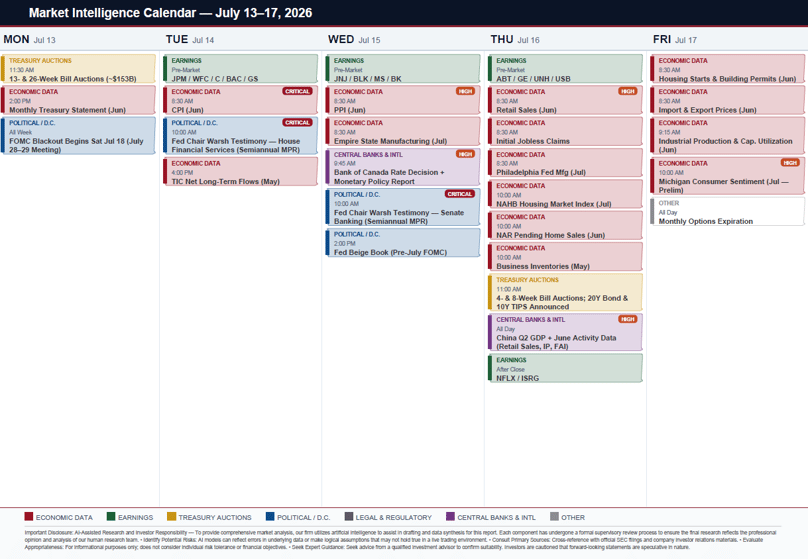
Research Notes
Economics
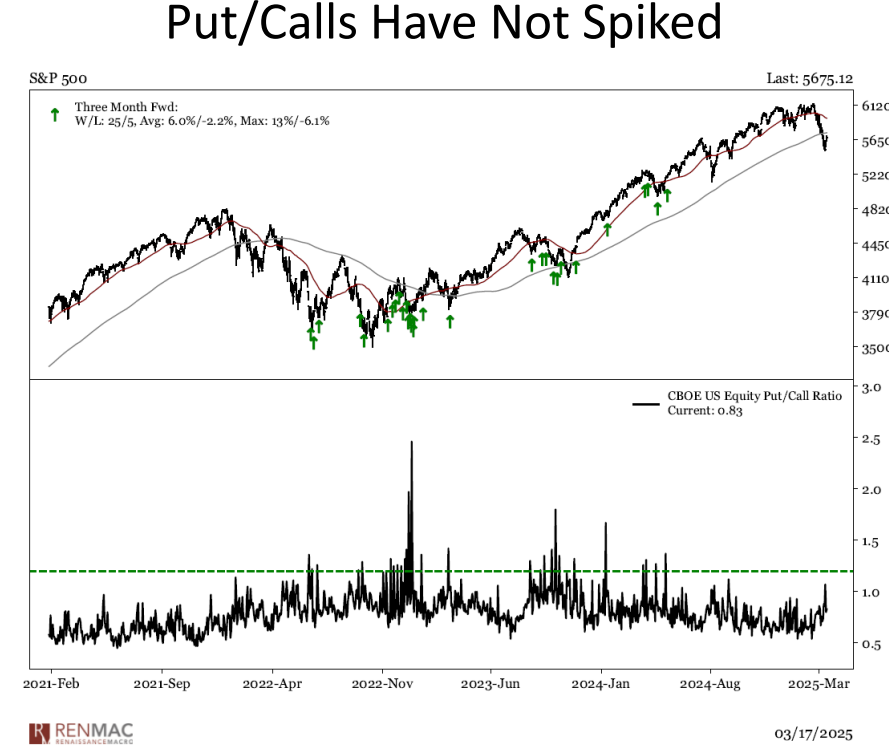
- US labor market continues its downtrend. Weekly job postings continue to trend down, layoffs picking up, quits are cooling.
- March data showed broad economic weakness, with declines in services, confidence, housing, and commercial real estate.
- Rising inflation, weakening job outlooks, and cautious business spending point to growing economic strain.
- Home prices are cooling, which may curb spending as household wealth dips and the savings rate edges higher.
- The rebound in capital goods shipments looks fragile, with growth mostly tied to tech and broader investment plans weakening.
- New tariffs could cut 0.5% from GDP, strain trade ties, and raise car prices before production shifts take effect.
- Auto repossessions are at their highest since 2009, and tariffs may push buyers to the used market, keeping prices elevated.
- Despite trade tensions, signs of de-escalation and strong profits offer some cushion, with markets already pricing in much of the downside.
- Q4 growth was lifted by consumer and government spending, but with investment falling and key supports fading, a broader slowdown seems likely.
Strategy
- Market technicals show potential for a rebound. We think Mag7 approaches 50dma and potentially crosses through, getting to overbought, high beta stocks slowly recovering, and excessive outflows in IWM and SPY could fuel a tactical bounce.
- Remember, this was a beta-driven correction, not a momentum-driven one.
- Remember, this was a beta-driven correction, not a momentum-driven one.
- Bullish signals may re-emerge if a high percentage of stocks move about their 20dma and hit 20-day highs, suggesting a reassertion of the bull trend.
- Despite heightened policy uncertainty and a dark cross in tech, strong credit markets and sentiment tied to returns suggest the current pessimism may be overdone.
- Semi's continue to weaken, with even "good" ones coming under pressure.
- Staples pulled back at resistance levels, maintaining relative downtrend. Sharp unwind in beta and extreme underperformance suggests continued downward pressure.
- Transports reiterate bearish trend but flagging oversold and in "seller's frenzy". Expect short-term tactical bounce but fade the move.
Policy
- Debt limit deadline ("X-Date") likely between July and October, with resolution hinging on reconciliation or bipartisan deal amid uncertain cash flows.
- Delays risk market volatility and a Moody's downgrade, raising U.S. borrowing costs.
- Delays risk market volatility and a Moody's downgrade, raising U.S. borrowing costs.
- Trump will announce reciprocal tariffs on April 2, targeting about 15 key partners; recent moves on oil, autos, and threats to the EU and Canada may be strategic leverage.
- Section 232 is being used more broadly to justify tariffs on national security grounds, covering autos, copper, timber, and pharma, with an emphasis on U.S. production.
- Tariff timing and scope remain unclear, with Trump using them as a flexible tool, adding to market uncertainty.
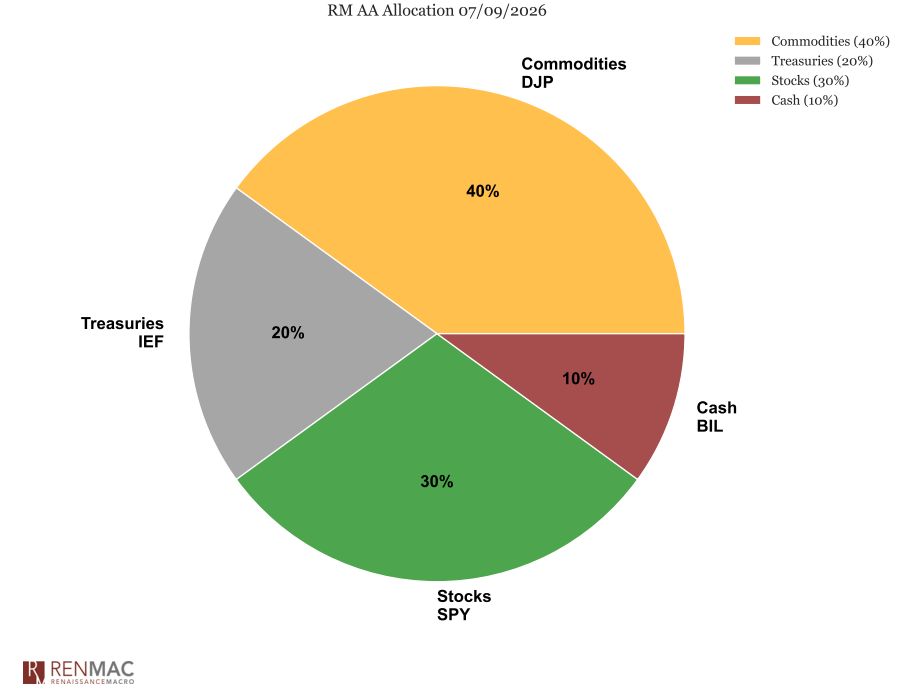
Asset Allocation Model
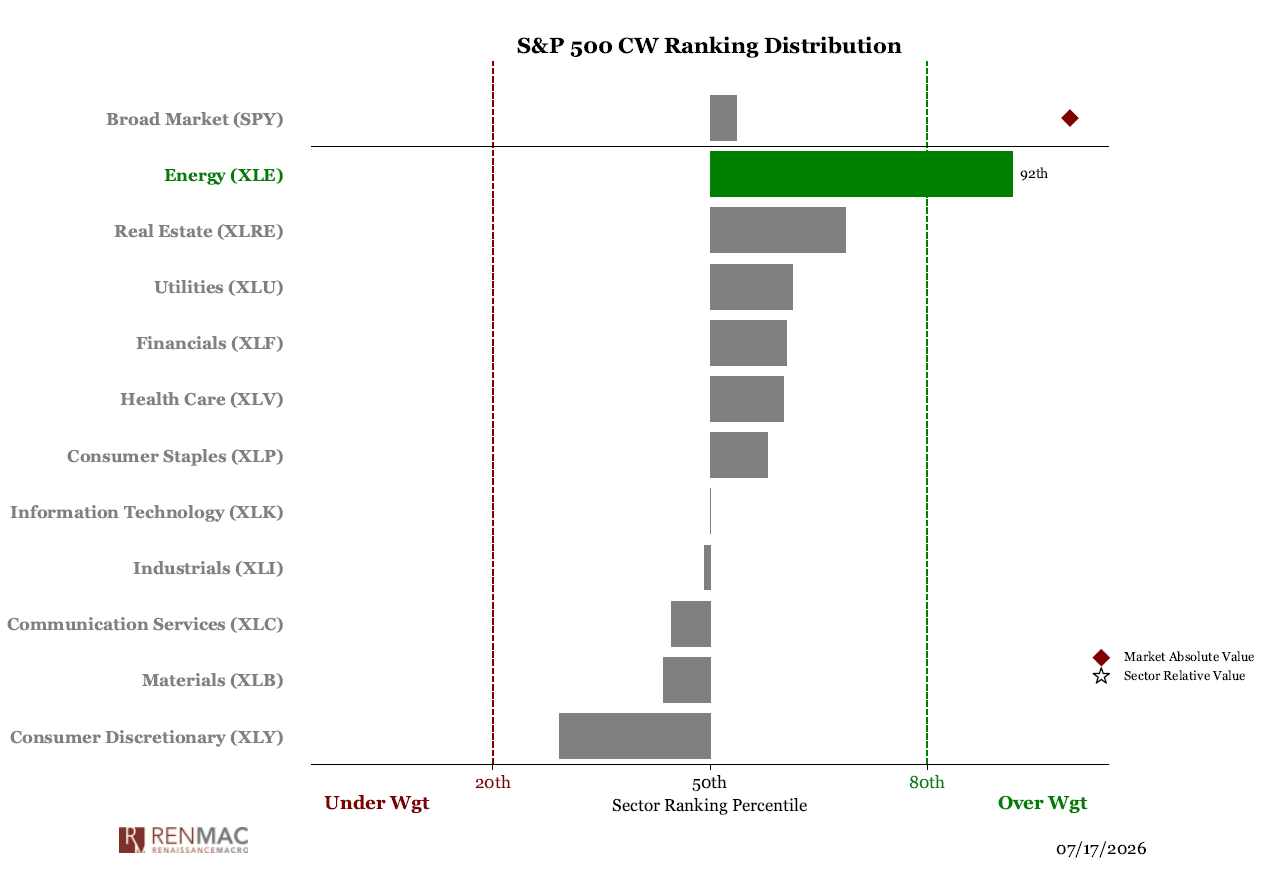
 Sector Ranks
  Chart of the week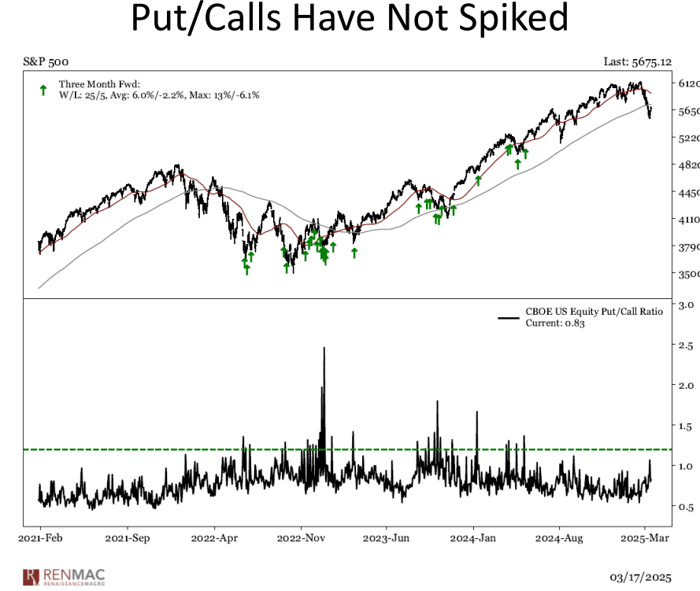
Sector Ranks Chart of the week