Research Notes
Strategy
- Our Russell 1000 Information Technology momentum factor peaked June 22, and the long-short basket is already down 39% from that high. It’s tempting to call the unwind finished, but It isn’t in our work.
- Across the eighteen prior episodes we can find where the factor ran up 125% or more into a peak, these things don't clear in six weeks, they grind. The typical bottom comes roughly thirteen months out and near a 59% drawdown.
- The most uncomfortable part: even after shedding 39%, long-term momentum performance has only slipped to the 94th percentile in our work.. The air has come out of the tire, but it is still overinflated.
- Momentum remains a powerful market force, but leadership is becoming increasingly selective as the strongest performers begin to diverge from the broader momentum trade.
- While leading AI infrastructure names like NVIDIA, Broadcom, Dell and Arista continue to exhibit strong trends, market breadth is deteriorating, with relatively few stocks making new highs despite the equal-weight index sitting near record levels.
- Stay with proven leaders while their trends remain intact, but be more selective elsewhere. The easy gains from simply owning momentum stocks are fading as the tailwind shifts to a headwind.
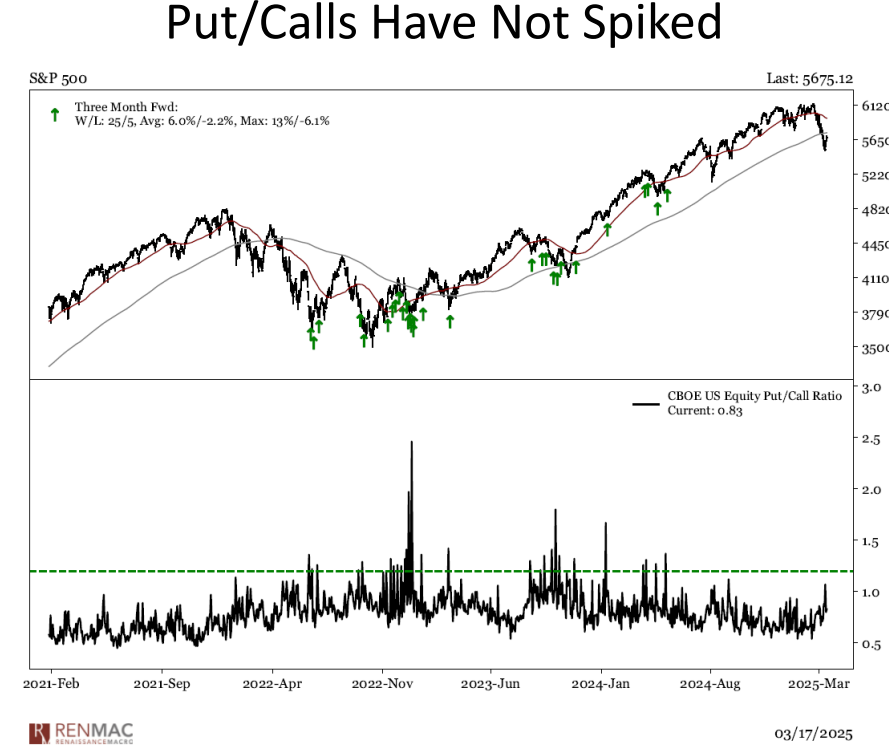
- The tape remains resilient, but the options market is showing renewed optimism, with a low put/call ratio indicating investors are chomping at the bit for more upside.
- Broader sentiment surveys are less extreme, though Consensus Inc. bullish sentiment is approaching historically elevated levels.
- Froth appears concentrated in positioning rather than overall investor psychology, suggesting optimism may be running ahead of the market's actual momentum.
- With momentum still lacking confirmation, we believe bullish investors may face continued frustration in the near future.
- Gold has now surrendered nearly its entire post-bubble advance, validating our bubble call from last October and completing a textbook unwinding of excess.
- Technical conditions are improving, with the RenMac oscillator turning higher from oversold levels and market breadth strengthening across gold miners.
- Seasonality remains supportive through August and September, making a tactical rebound possible despite the longer-term reset.
- History suggests post-bubble recoveries can be powerful but temporary, with October historically marking a more challenging period for gold equities.
- Fresh 20-day highs continue to confirm the broader uptrend, keeping the burden of proof on the bears.
- Elevated ETF inflows suggest investor optimism is increasing, making this a time for discipline rather than chasing performance.
- Seasonal headwinds are approaching, with September historically the weakest month of the year and a greater need for risk management.
- Watch full video from deGraaf here.
- Utilities have seen a deteriorating in relative trends as we're seeing new 52w relative lows at this juncture. Our model hasn't officially turned negative yet, but we are on guard for further deterioration given these developments. Absolute price is testing key support at the 200-DMA, so we'll be watching for how it responds here.
Economics
- July payrolls disappointed, with employment falling 23k and prior months revised sharply lower, reinforcing the view that economic growth remains sluggish. However, the report is unlikely to change the Fed's stance as inflation (not employment) continues to dominate its reaction function.
- Much of the weakness was concentrated in local government and leisure & hospitality employment, suggesting some of the decline may reflect seasonal distortions that could reverse next month.
- Manufacturing hours worked remained flat despite stronger ISM survey data, while residential construction employment continued to lag, pointing to a softer underlying growth backdrop.
- Wage growth remained subdued, with average hourly earnings rising just 0.1% in July and 3.2% YoY, reducing inflation pressure but also signaling weaker support for consumer spending.
- Despite weaker payroll growth, the unemployment rate fell to 4.1%, reinforcing the view that the labor market remains tighter than the Fed's projections and likely keeping hawkish policymakers in control.
- Overall, the report points to sluggish economic growth rather than recession, but the continued decline in unemployment means the Fed is unlikely to back away from its tightening bias.
- July services activity remained solid, with both the S&P Global and ISM Services PMIs pointing to moderate economic growth of roughly 2%-2.5%, supported by stronger new orders and business activity.
- The key concern remains inflation, as both surveys showed persistent input and output price pressures, with the ISM prices index remaining above 70 for the 4th time in 5 months.
- While employment softened in the ISM survey, the combination of steady activity and weaker hiring may point to improving productivity in the services sector.
- Recent gains in the S&P 500 have been driven primarily by stronger earnings, offsetting the headwind from higher interest rates.
- The key risk is a declining equity risk premium, which suggests the relative attractiveness of stocks versus bonds is diminishing, even if it is not a reliable short-term timing signal.
- June likely market the low point for inflation this year, with core PCE and other underlying inflation measures coming in below target after several months of elevated readings.
- Despite the encouraging report, inflation has still run nearly twice the Fed's target over 1H 2026, making it unlikely that one soft month will change the broader outlook.
- Several categories, including airfares, hotels, and communication services, are likely to rebound in the coming months, pointing to firmer inflation in July.
- While slower wage growth and easing housing rents should gradually cool inflation over time, price pressures are likely to remain above the Fed's 2% target for the foreseeable future.
- July's ISM Manufacturing PMI rose to 55.6, beating expectations and signaling continued strength in the industrial sector, with new orders, production, and employment all improving.
- While factory output has yet to fully reflect the survey strength, low inventories and resilient demand from aerospace, defense, and AI-related investment should provide support for manufacturing in H2 2026.
- Historically, sustained ISM surges like the current one have been followed by stronger factory output, though gains tend to be more moderate during mid-expansion periods than after recessions.
- Inflation pressures eased modestly as the ISM prices index declined, but elevated delivery times suggest some cost pressures could persist.
- Wage growth in Japan continued to accelerate in June, increasing pressure on the BoJ to continue raising interest rates as stronger pay growth reinforces upside risks to inflation.
- With productivity growth still modest, sustained wage gains are likely to keep underlying inflation elevated and support further policy tightening.
 Sector Ranks
 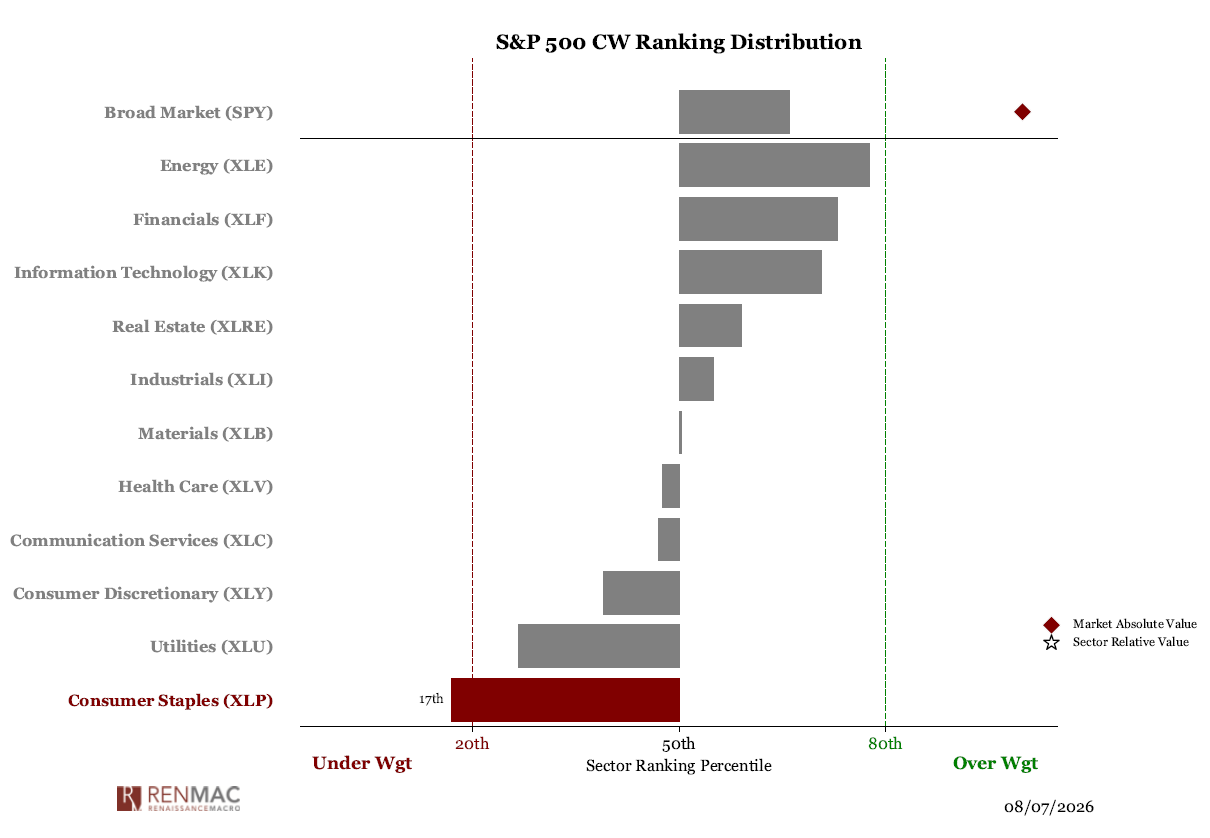 Chart of the weekWe updated our market cycle clock this week with July's data. We're seeing more growth and similar inflation pressure, rather inconsistent with Fed's latest pause. Fed fund futures have a 2 in 3 probability of September rate hike, this remains an area historically where policy mistakes happen and S&P pays the tab.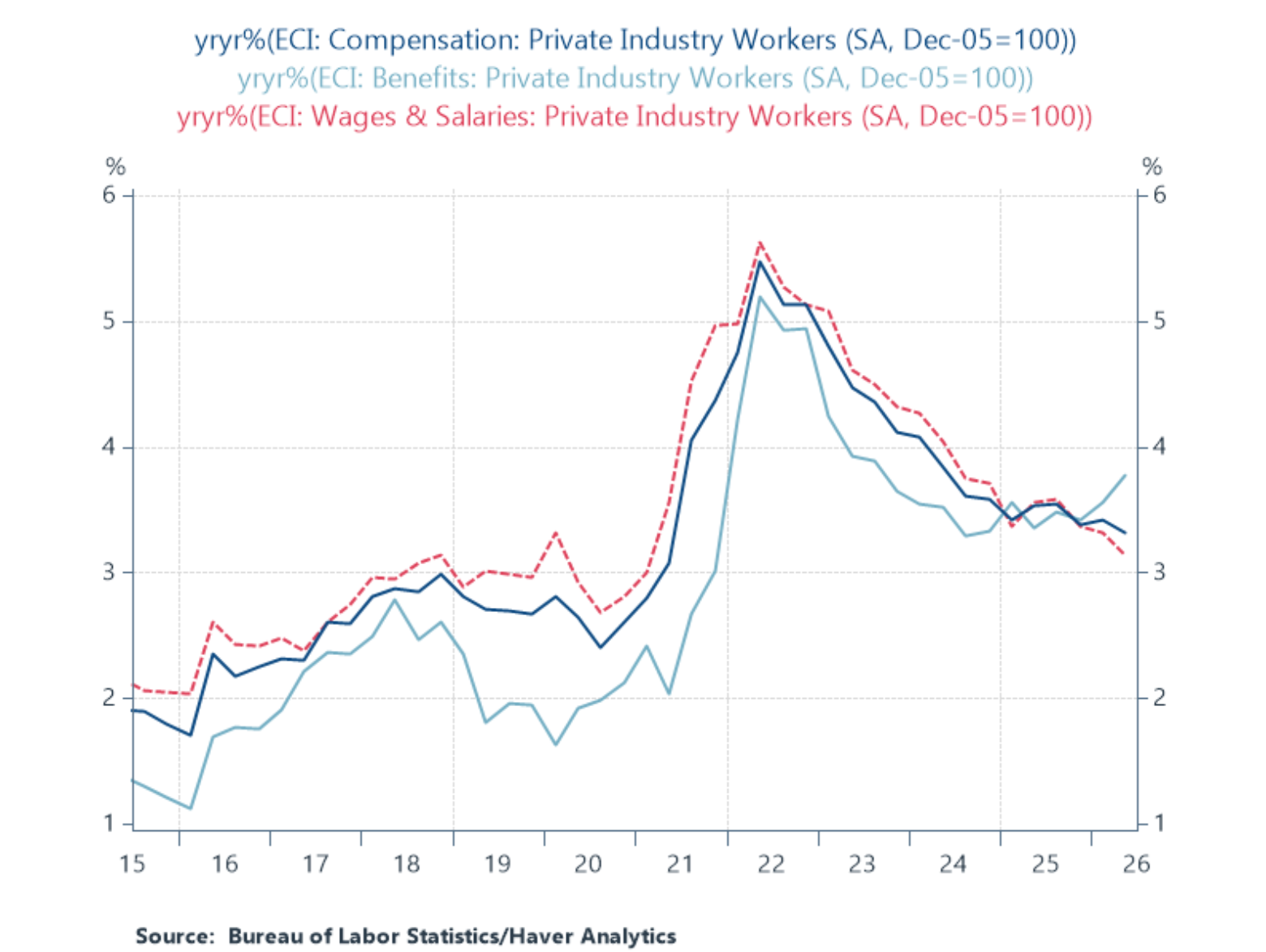
RenMac Off-Script Podcast

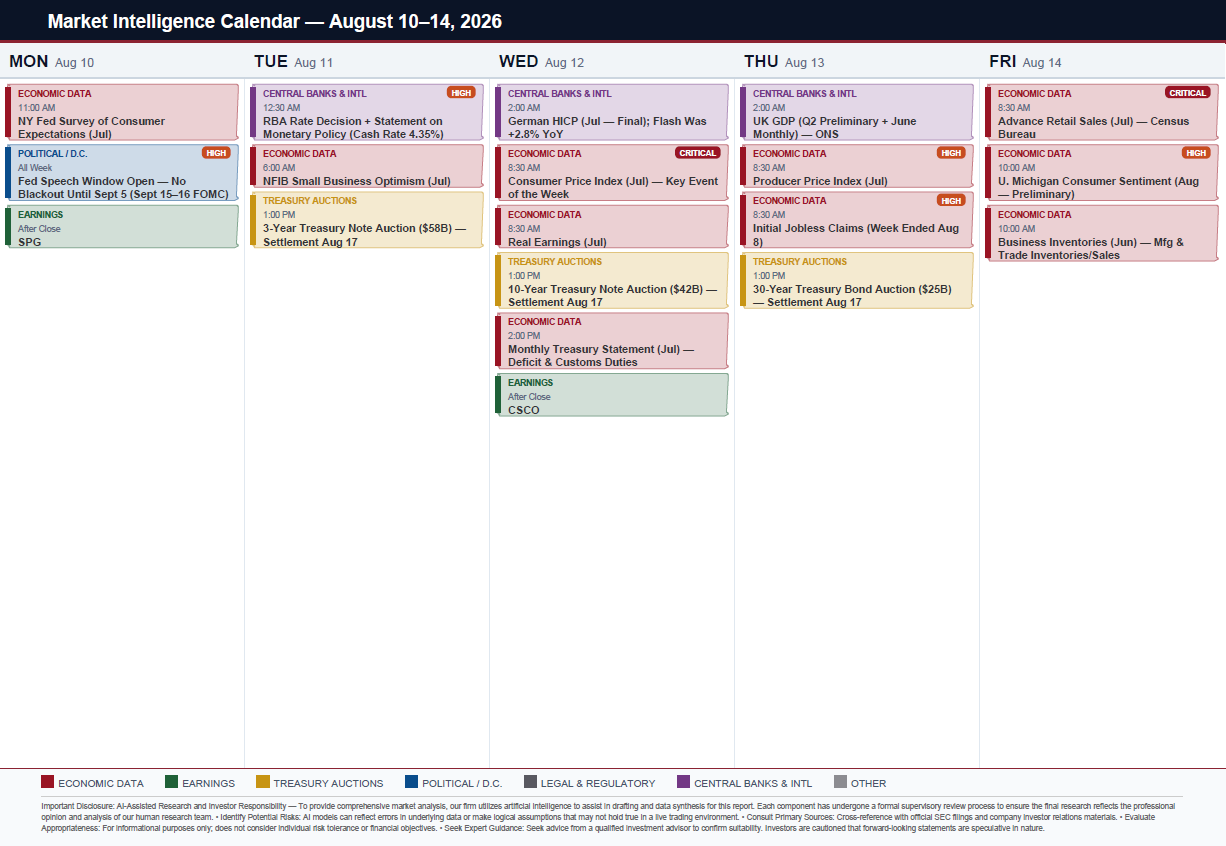
RenMac Calendar
Research Notes
Economics
- US labor market continues its downtrend. Weekly job postings continue to trend down, layoffs picking up, quits are cooling.
- March data showed broad economic weakness, with declines in services, confidence, housing, and commercial real estate.
- Rising inflation, weakening job outlooks, and cautious business spending point to growing economic strain.
- Home prices are cooling, which may curb spending as household wealth dips and the savings rate edges higher.
- The rebound in capital goods shipments looks fragile, with growth mostly tied to tech and broader investment plans weakening.
- New tariffs could cut 0.5% from GDP, strain trade ties, and raise car prices before production shifts take effect.
- Auto repossessions are at their highest since 2009, and tariffs may push buyers to the used market, keeping prices elevated.
- Despite trade tensions, signs of de-escalation and strong profits offer some cushion, with markets already pricing in much of the downside.
- Q4 growth was lifted by consumer and government spending, but with investment falling and key supports fading, a broader slowdown seems likely.
Strategy
- Market technicals show potential for a rebound. We think Mag7 approaches 50dma and potentially crosses through, getting to overbought, high beta stocks slowly recovering, and excessive outflows in IWM and SPY could fuel a tactical bounce.
- Remember, this was a beta-driven correction, not a momentum-driven one.
- Remember, this was a beta-driven correction, not a momentum-driven one.
- Bullish signals may re-emerge if a high percentage of stocks move about their 20dma and hit 20-day highs, suggesting a reassertion of the bull trend.
- Despite heightened policy uncertainty and a dark cross in tech, strong credit markets and sentiment tied to returns suggest the current pessimism may be overdone.
- Semi's continue to weaken, with even "good" ones coming under pressure.
- Staples pulled back at resistance levels, maintaining relative downtrend. Sharp unwind in beta and extreme underperformance suggests continued downward pressure.
- Transports reiterate bearish trend but flagging oversold and in "seller's frenzy". Expect short-term tactical bounce but fade the move.
Policy
- Debt limit deadline ("X-Date") likely between July and October, with resolution hinging on reconciliation or bipartisan deal amid uncertain cash flows.
- Delays risk market volatility and a Moody's downgrade, raising U.S. borrowing costs.
- Delays risk market volatility and a Moody's downgrade, raising U.S. borrowing costs.
- Trump will announce reciprocal tariffs on April 2, targeting about 15 key partners; recent moves on oil, autos, and threats to the EU and Canada may be strategic leverage.
- Section 232 is being used more broadly to justify tariffs on national security grounds, covering autos, copper, timber, and pharma, with an emphasis on U.S. production.
- Tariff timing and scope remain unclear, with Trump using them as a flexible tool, adding to market uncertainty.
Asset Allocation Model
 Sector Ranks
  Chart of the week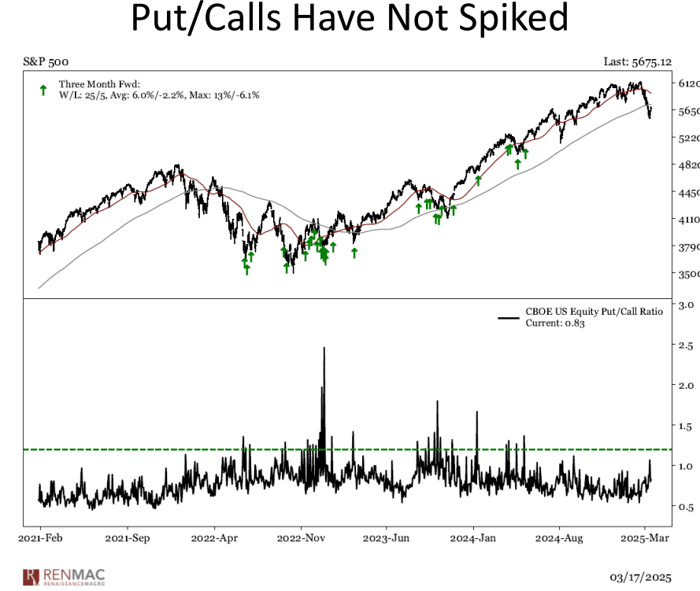
Sector Ranks Chart of the week