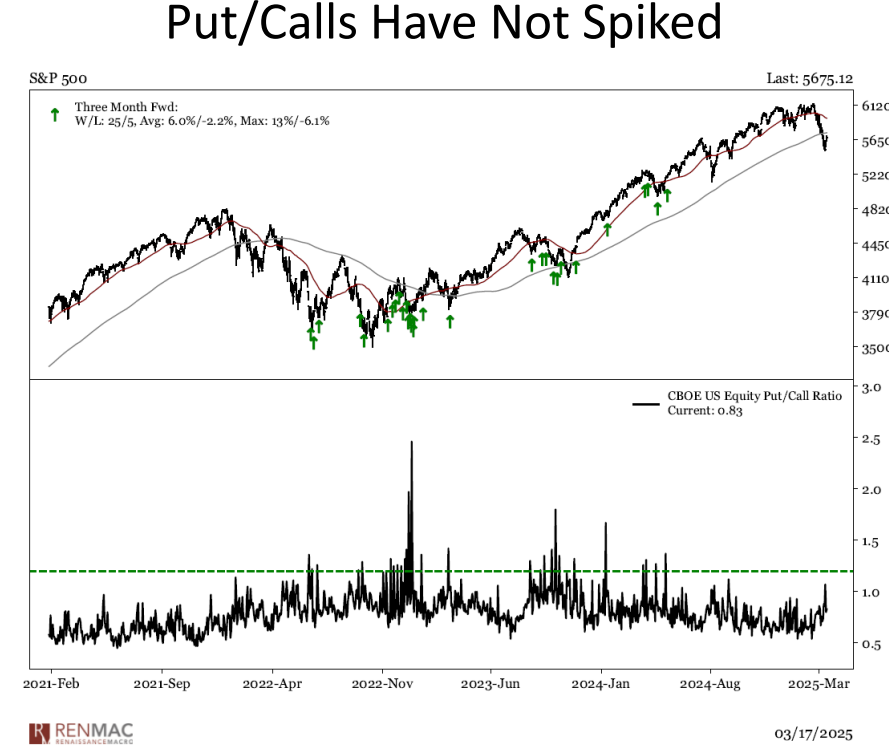
Research Notes
Strategy
- The S&P 500 hit a fresh cycle high Thursday, but leadership was extremely narrow: the NASDAQ gained 1.57% while the EW S&P fell 0.29%, with Technology the only higher sector. Trend remains strong, but momentum continues to weaken as breadth deteriorates beneath the index.
- Software, not semis, stole the show. Software & services saw the sharpest increase in positive volatility alerts, while its 65-day highs-minus-lows reading jumped to 41.1%. Despite the improvement, software momentum remains below average, making it difficult to distinguish new leadership from continued factor rotation.
- Rates remain the bigger cross-asset risk. The 10-year rose to 4.67%, while AI-hyperscaler issuance has accounted for roughly 11% of U.S. investment-grade supply this year, adding to deficit-driven pressure on the long end.
- Momentum has crashed, while value has improved to the 80th percentile as the factor tape continues to rotate.
- Short-term momentum is oversold, but historically these major unwinds resolve through time, not simply with a bounce.
- Sell what's worked and buy what's cheap and improving, while avoiding names making fresh 20-day lows.
- More on this from deGraaf
- Headlines about Iran and the price of crude are usually the first things you see lately when you check the futures in the morning, and with all that noise and attention, it's hard to believe that crude is trading within an increasingly tight range and hasn't made a significant higher high or lower low in about two months.
- Crude is cooling up and we would be buyers on a breakout above the range and sellers on a break below as big moves tend to occur in whichever direction tight triangle patterns break.
- Arguably, the three most important industry groups to the health of the market: Banks, Capital Goods and Semis, are now showing the worst momentum as measured by their percentage of issues above their 20-DMA's.
- Banks however standout as the most buyable weakness among the three groups. R1K Banks are now internally oversold, 20-day lows are spiking, the percentage of issues above their 200-DMA's are greater than 90%, and the absolute and relative trends remain bullish.
- September is also historically one of the best months of the year for banks.
- In our work, Consumer Discretionary is the worst-ranked sector in the R1K, a momentum rank of 9.
- Textiles, Apparel & Luxury Goods has confirmed its relative downtrend at fresh lows; Apparel Retail has gone bullish-deteriorating. The registers might be ringing, but the market is looking beyond.
Economics
- July core PCE remained firm at 3.3% YoY, but roughly half of the monthly increase came from imputed portfolio management fees. Market-based core inflation was softer, running at a 2.3% annualized pace over the past 3 months.
- The softer composition is encouraging, but even market-based core measures remain roughly 0.8-1.2% above levels consistent with the Fed's 2% target. Inflation is improving, but it is not yet low enough.
- Inflation momentum is moving in the right direction, with upside price shocks fading significantly over the past several months, while slower wage growth and potentially softer rents provide additional reasons to expect moderation.
- Consumer spending also cooled in July, with real PCE essentially flat, while stronger income growth pushed the savings rate up to 3.0%, suggesting households may be beginning to rebuild savings.
- For the Fed, the report does not settle the debate. Core inflation remains above target while AI demand, energy, tariffs, and easy financial conditions continue to point toward upside risks, keeping another rate hike firmly on the table.
- Q2 GDP held at 1.5%, but the underlying economy was considerably stronger, with consumer spending, business investment, and private domestic demand all revised higher. The headline weakness was driven by trade, inventories, and government spending rather than the private economy.
- The bigger concern was inflation: nominal GDP grew 8.0% while real output rose just 1.5%, with PCE and other price measures revised higher. Stronger profits and income are encouraging, but much of the nominal growth continues to reflect higher prices rather than stronger real activity.
- The rise in long-term yields does not appear to reflect a growth or productivity boom, with consensus GDP forecasts still around 2.1%, and recent strength concentrated in surveys rather than hard economic data.
- Instead, the entire rise in 10-year yields since late June has been accounted for by a roughly 35bp increase in the term premium, suggesting factors other than stronger domestic growth are driving rates higher.
- Consumer confidence fell to a 7-month low in August, but the weakness was entirely forward-looking: current conditions improved sharply while expectations dropped to their lowest level since January and remained firmly in recession-warning territory.
- The labor market looks solid today, with perceptions of job availability improving, but consumers are increasingly pessimistic about future employment and income growth.
- Inflation concerns also ticked higher, adding another headwind to the consumer outlook even as recession fears remain relatively contained.
- New home sales fell sharply in July to their weakest pace since January, while months' supply jumped to 9.6 and completed unsold inventory increased, signaling a widening imbalance between supply and demand.
- Builders are responding by pulling back on future construction, while falling median prices and a sales mix shifting toward higher-priced homes suggest affordability pressures continue to sideline entry-level buyers.
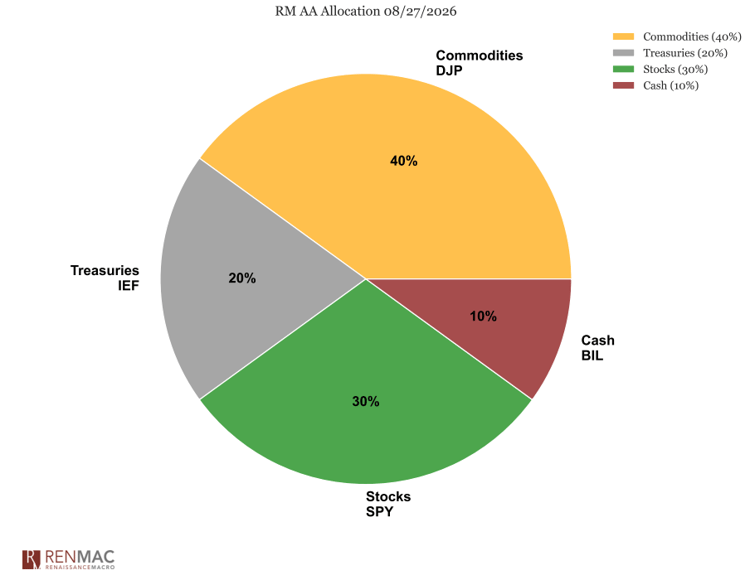
 Sector Ranks
 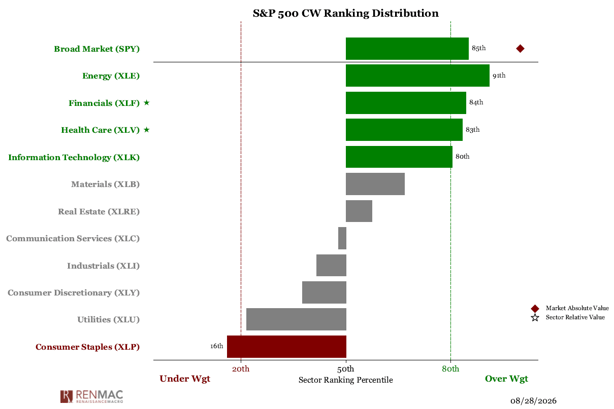 Chart of the weekBullish on stocks. According to Conference Board, even though expectations declined in August, consumers remain upbeat on stocks. Net percent of respondents expecting stock prices to rise over the next 12 months remains well above normal.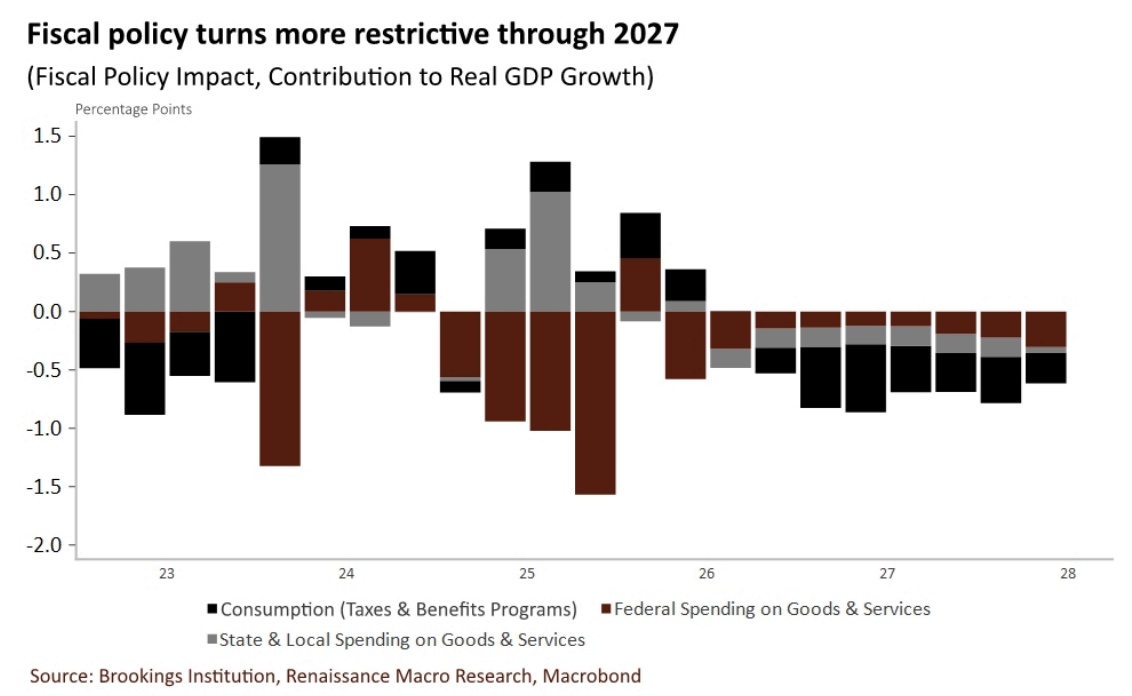
RenMac Off-Script Podcast

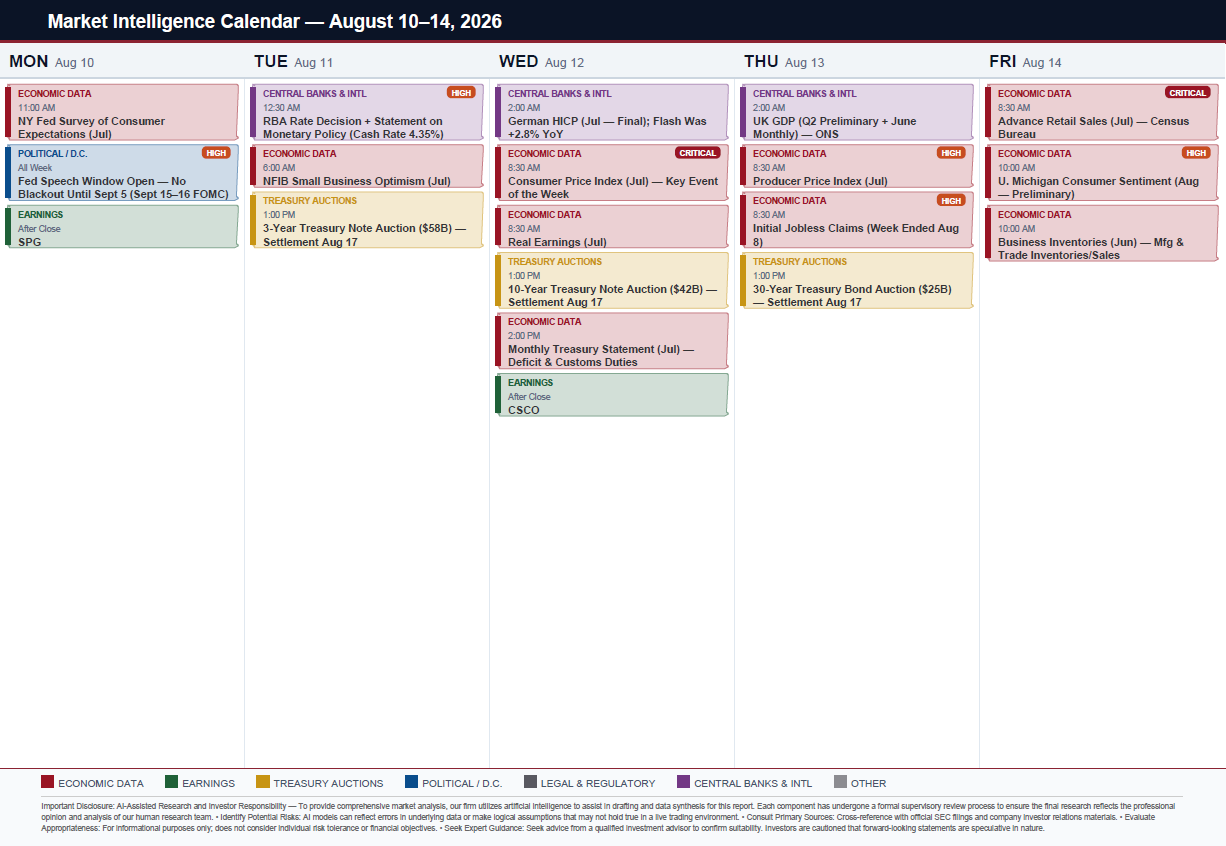
RenMac Calendar
Research Notes
Economics
- US labor market continues its downtrend. Weekly job postings continue to trend down, layoffs picking up, quits are cooling.
- March data showed broad economic weakness, with declines in services, confidence, housing, and commercial real estate.
- Rising inflation, weakening job outlooks, and cautious business spending point to growing economic strain.
- Home prices are cooling, which may curb spending as household wealth dips and the savings rate edges higher.
- The rebound in capital goods shipments looks fragile, with growth mostly tied to tech and broader investment plans weakening.
- New tariffs could cut 0.5% from GDP, strain trade ties, and raise car prices before production shifts take effect.
- Auto repossessions are at their highest since 2009, and tariffs may push buyers to the used market, keeping prices elevated.
- Despite trade tensions, signs of de-escalation and strong profits offer some cushion, with markets already pricing in much of the downside.
- Q4 growth was lifted by consumer and government spending, but with investment falling and key supports fading, a broader slowdown seems likely.
Strategy
- Market technicals show potential for a rebound. We think Mag7 approaches 50dma and potentially crosses through, getting to overbought, high beta stocks slowly recovering, and excessive outflows in IWM and SPY could fuel a tactical bounce.
- Remember, this was a beta-driven correction, not a momentum-driven one.
- Remember, this was a beta-driven correction, not a momentum-driven one.
- Bullish signals may re-emerge if a high percentage of stocks move about their 20dma and hit 20-day highs, suggesting a reassertion of the bull trend.
- Despite heightened policy uncertainty and a dark cross in tech, strong credit markets and sentiment tied to returns suggest the current pessimism may be overdone.
- Semi's continue to weaken, with even "good" ones coming under pressure.
- Staples pulled back at resistance levels, maintaining relative downtrend. Sharp unwind in beta and extreme underperformance suggests continued downward pressure.
- Transports reiterate bearish trend but flagging oversold and in "seller's frenzy". Expect short-term tactical bounce but fade the move.
Policy
- Debt limit deadline ("X-Date") likely between July and October, with resolution hinging on reconciliation or bipartisan deal amid uncertain cash flows.
- Delays risk market volatility and a Moody's downgrade, raising U.S. borrowing costs.
- Delays risk market volatility and a Moody's downgrade, raising U.S. borrowing costs.
- Trump will announce reciprocal tariffs on April 2, targeting about 15 key partners; recent moves on oil, autos, and threats to the EU and Canada may be strategic leverage.
- Section 232 is being used more broadly to justify tariffs on national security grounds, covering autos, copper, timber, and pharma, with an emphasis on U.S. production.
- Tariff timing and scope remain unclear, with Trump using them as a flexible tool, adding to market uncertainty.
Asset Allocation Model
 Sector Ranks
  Chart of the week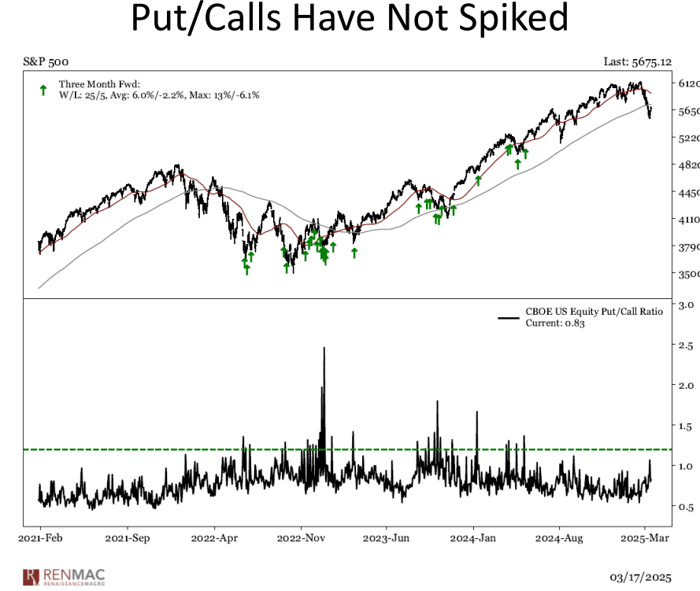
Sector Ranks Chart of the week